
"fruit beans"
40000 article(s) found
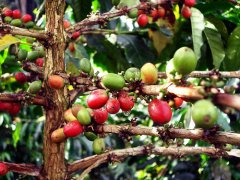
How to grow coffee berries and beans
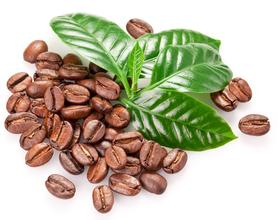
Coffee fruit is a berry, also known as comb fruit. Oval, 9-14 mm long, young fruit green, red at maturity, purplish red. Each fruit generally has two seeds, but also one or three, showing a semi-oval, there is a longitudinal groove, called grooves. This is the past life of coffee beans, there are coffee branches, leaves, fruits, as well as dissected pulp, seeds, roasted coffee beans. What we see every day

General knowledge of Fine Coffee explain the way to get beans from Coffee
The beans are sweeter when the coffee is picked after it is red and ripe. If coffee farmers in order to save trouble, no matter whether the coffee fruit is ripe or not, picking it together will make the coffee sour and astringent, so the fine coffee must choose the ripe red fruit. Distinguish between floating beans and sunken beans: coffee fruits picked from coffee fields should not be mistaken and must be sent to the processing plant on the same day. Immature

Basic knowledge of Fine Coffee the way of picking beans from Coffee Cherry
The beans are sweeter when the coffee is picked after it is red and ripe. If coffee farmers in order to save trouble, no matter whether the coffee fruit is ripe or not, picking it together will make the coffee sour and astringent, so the fine coffee must choose the ripe red fruit. Distinguish between floating beans and sunken beans: coffee fruits picked from coffee fields should not be mistaken and must be sent to the processing plant on the same day. Immature

Coffee Fruit structure Map Variety-which parts of Coffee Fruit
Coffee fruit structure map variety-which part of the coffee fruit the coffee fruit is very small, like a cherry. Ripe coffee fruit is red (special varieties are not discussed), also known as coffee cherries. There are three primary species of coffee: Arabica coffee (low yield, delicate, but high quality), Robusta (most productive, easy to raise, but not good quality), and Liberia (slowly

How to become a boutique coffee bean-Pt coffee
When the bean has a good variety, planted in the area most likely to breed fragrant elves, with different elevations, soils, microclimates, and the careful care of coffee farmers, it thrives and is fruitful. BUT! Not all red fruits can become a boutique coffee bean! Today, let's talk about what kind of experience this magical fruit has to go through before it can become a boutique.

Coffee tree fruit from fruiting to maturity takes 6 to 9 months specific time introduction
One of the characteristics of coffee trees is that its fruit can bear fruit several times a year, and another characteristic is that flowers and fruits (also known as cherries) coexist at different stages of maturity. The whole coffee crop is subject to the vagaries of nature. If the fruit is overripe, the beans inside will rot. if not

The method of taking beans: the difference, operation introduction and advantages of sun, water washing and half-sun and half-washing.
Today, I'd like to introduce the way to get beans from coffee: everyone knows citrus. Banana。 Apples and other fruits are rich in organic acids, immature fruits eat sour and astringent taste, ripe fruits taste sweet and delicious, because the organic acids of the fruit are converted into sugar. Coffee should also be picked after it is red and ripe, and the beans are more sweet. If the coffee farmer wants to save trouble, regardless of the coffee fruit

Coffee fruit to seed process-coffee fruit decomposition diagram
Coffee fruit to seed process-Coffee fruit decomposition map from harvest to delivery after the harvest of the fruit, the skin and pulp. The endocarp and silver peel are removed to form coffee beans. There are two kinds of methods: drying (natural drying, non-washing) and washing. Dry type, easy to operate, spread the harvested fruit on the dry ground, bask in the sun for a week or two, and you can hear it when you turn it.

A brief introduction to the origin, development, history and culture of the well-balanced San Juan Xido boutique coffee beans in Honduras
High-quality coffee in Honduras uses water washing to deal with coffee beans, usually after soaking, when the defective fruit will surface, it can be discarded first. Then put the good fruit into the fruit peeling machine and peel off the peel with the rotating force of the machine. Peeled fruits are screened by machines to select fruits of high quality. Usually the bigger the fruit.
There are so many varieties of coffee beans how to become a high-quality coffee bean?
When the bean has a good variety, planted in the area most likely to breed fragrant elves, but also has the careful care of coffee farmers, thrive and fruitful. BUT! Not all red fruits can become a boutique coffee bean! Today, let's talk about what kind of experience this magical fruit has to go through in order to become a boutique coffee! First of all, it must be

Points for attention in Coffee planting
When the fruit of the coffee tree is picked, the four layers of skin wrapped around the coffee beans need to be removed in order to finally get the coffee beans needed. The main methods to remove the outer epidermis of coffee beans are "wet treatment" and "dry treatment".
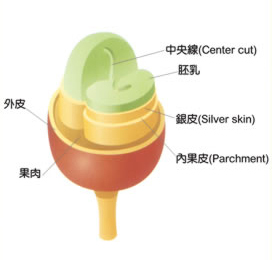
What does the coffee fruit look like? what the coffee fruit looks like?
What we see every day are roasted coffee beans, at most we have seen yellow-green raw coffee beans, which is the most kind of fruit. What did it look like at first? What we usually see is a bit like cherries, so we sometimes call coffee fruits coffee cherries. Generally speaking, there are two coffee beans in each coffee fruit, which are covered with exocarp, pulp and pectin.

How to become a boutique coffee bean
When the bean has a good variety, planted in the area most likely to breed fragrant elves, with different elevations, soils, microclimates, and the careful care of coffee farmers, it thrives and is fruitful. BUT! Not all red fruits can become a boutique coffee bean! Today, let's talk about what kind of experience this magical fruit has to go through before it can become a boutique.

The process of basic knowledge of coffee beans from fruit to coffee bean
Coffee training basics-from fruit to raw coffee beans: a coffee tree can harvest 3-5 kilograms of fruit, and raw coffee beans account for 5% of the fruit quality. Going from fruit to raw coffee beans is really a time-consuming and laborious task. Arabica and Robusta Arabica coffee account for about 2% of the world's coffee production. The plant is not suitable for high temperature, low temperature, more rain and less rain.
Differences in Fruit of Fruit of Fine Coffee
In the process of training baristas, coffee noses are the same as those used in the training of wine referrals. In wine, we can feel more than 200 kinds of taste, while in coffee we can feel more than 1200 kinds of taste. Do you want to feel all of them? Drinking coffee as a lifelong career may be possible. Coffee and Portugal
Fine coffee beans, small seeds, fresh coffee fruits.
1 scope this part defines the terms and definitions, fruit-picking requirements, grading, packaging, transportation and temporary storage of fresh fruits of small-grain coffee. This part is suitable for Pu'er small seed coffee. 2 normative citation documents the provisions of the following documents become the provisions of this part through the citation of this section. For all dated reference documents, all subsequent revision orders (excluding corrigendum

Standardized production technology of Yunnan small-grain coffee, fresh fruit picking and initial processing and washing steps
Yunnan small grain coffee fresh fruit picking and initial processing washing treatment steps Yunnan coffee fresh fruit harvest is generally divided into three batches: early ripening fruit from the end of October to mid-December, and concentrated ripening period from mid-late December to the end of January. the overall quality of this batch of coffee is the best; in February, most of the remaining fruits are diseased fruits, and the yield is very little. Coffee picking needs to pay attention to: coffee

A brief introduction to the Origin, Development, History and Culture of Fine Coffee beans in Honduras
Honduran coffee can lead to multiple levels of flavor depending on the degree of roasting. Moderate baking can maximize the sweetness of beans, while deep baking increases bitterness, but sweetness does not disappear. Generally speaking, medium roasting has the best taste and rich and unique aroma, which is favored by coffee lovers in Honduras. High-quality coffee in Honduras is washed.

Brief introduction to the treatment method of Grinding scale and Baking degree of Fine Coffee beans in Honduras
Coffee in Honduras is dried in the sun, so there is always a hint of fruit in the taste. Honduran coffee has a rich and mellow taste, taste is not astringent, not sour, mellow and aroma are very high, quite personality. Honduran coffee can lead to multiple levels of flavor depending on the degree of roasting. Medium baking can exert the sweetness of beans.
The birth of coffee beans (1) Coffee trees from planting to fruiting
Coffee trees take 3-5 years from planting to fruiting. 6-10 years of coffee trees are the most likely to bear fruit, about 15-20 years, is the harvest period. Coffee trees are usually bred in nurseries and grow into saplings, and then moved to coffee farms a year later, in full compliance with the way the Arabs planted and cultivated coffee trees. Coffee trees will continue to take root downward and upward in the first four or five years of their growth.